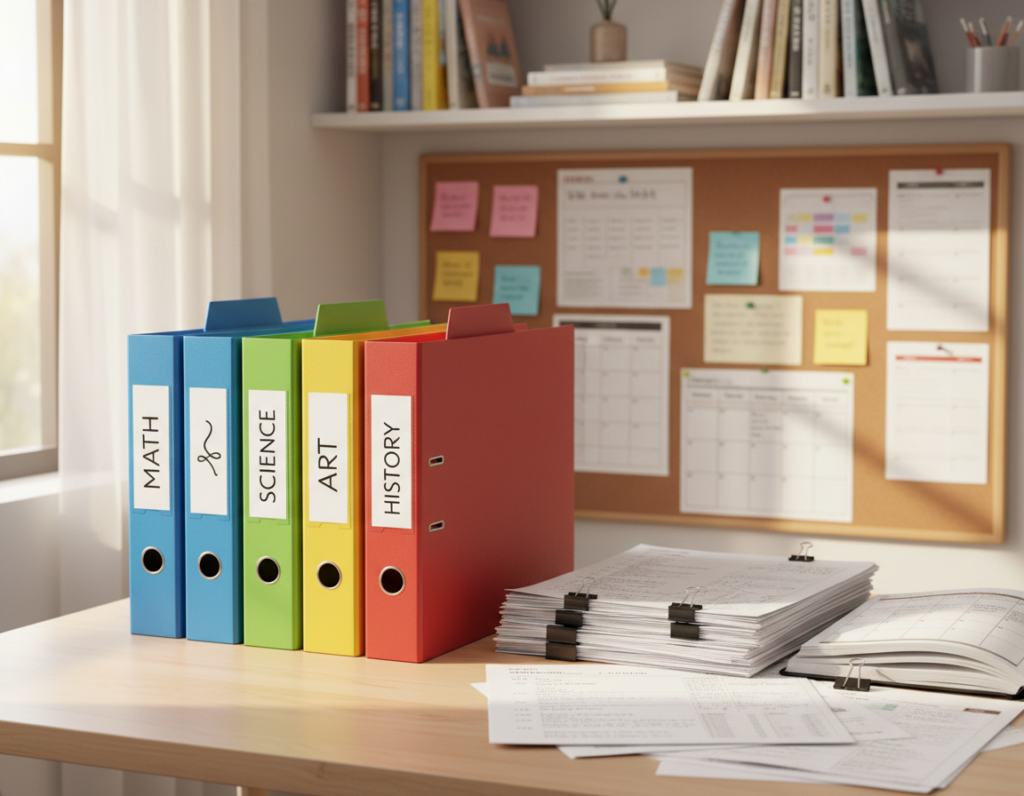
Donnie began a paperless system in 2014 to help his family cut paper clutter and get organized. He built a simple process that turned piles of paperwork into an easy-to-use filing system.
Going paperless gave the family fast access to vital information from a phone at any time of the year. This approach saved time and removed the stress of overflowing filing cabinets.
The method focuses on steady habits, not perfection. Scan incoming paper to a phone, tag each file, and keep the system current. A small, consistent effort keeps home life orderly and makes retrieval instant.
In short: Donnie’s path shows that with a clear system and a phone, a busy family can reduce clutter, protect important documents, and reclaim time for what matters most.
Assessing the Need for a Digital Filing System
Begin with a simple audit: gather every important documents, receipt, and bill into one central location. This visible pile makes it easy to see how much paper and paperwork you actually keep.
The NMSU Extension Guide G-229 noted that an organized filing system is essential to prevent the loss of vital records. Failing to keep accurate files can raise tax bills and create legal headaches.
One practical step was to designate a single space for sorting. A clear area reduced clutter and helped the family decide what to keep, what to scan, and what to shred.
- Categorize records early to avoid future buildup.
- Track receipts and statements needed for tax prep.
- Create simple folder labels so finding a file is fast.
Final check: if papers get lost or retrieval takes too long, an upgraded filing approach will pay off in time saved and less stress.
Selecting the Right Tools for Your Digital Maintenance Routine Household Documents
A clear toolset speeds capture and keeps important records safe.
Software Options
Evernote is a practical choice for building a searchable filing cabinet. Its search and tagging features make it easy to find tax forms, property deeds, or medical records.
He previously relied on a Fujitsu scanner, but modern phone cameras now offer a faster option for scanning paper into Evernote or cloud storage.
“Use software that makes files searchable by title, tag, or text inside the image.”
- Organize files into logical folders for quick retrieval.
- Standardize naming conventions so every document is easy to find.
- Keep one copy in secure cloud storage and one original in a fire-safe box.
Hardware Requirements
At minimum, choose a reliable phone for scanning and a computer for backups. Add a secure external storage option for sensitive paperwork.
Pro tip: Create a dedicated workspace with enough flat space and folders, so processing mail and incoming paper is fast and focused.
Establishing a Consistent Capture Process
A steady capture habit stops paper piles before they form and keeps life moving smoothly.
Start small: pick one clear place in the inbox for incoming files. This reduces search time and prevents stray papers from lingering around the house.
Automating Digital Inflows
Automate what you can. Set email filters to forward utility bills, credit card statements, and insurance notes directly to an Evernote account or another trusted file account.
Scan receipts and tax forms the moment they arrive. Even a quick stop at a UPS store or a phone-scan on the spot saves you hours later and keeps paperwork from piling up.
- Process every item that enters the house through the same capture step.
- Use a mobile scanning app to save time while on the go.
- Designate a single place in your inbox for all incoming statements and records.
“A consistent capture step is the easiest way to keep a filing system current.”
For a practical guide on organizing important files, see organizing life’s important files.
Organizing Files for Maximum Efficiency
A tidy file system speeds retrieval and cuts time wasted searching for bills or certificates. A short set of rules keeps the process simple and usable by every family member.
Create a clear map first. Start with main categories that match real life: tax, insurance, utilities, and personal records. Logical folders reduce clutter and make storage predictable.
Creating Logical Folder Structures
Group by purpose. Use top-level folders for tax, insurance, and bills. Inside each, add year or account subfolders so items never get lost.
Standardizing File Naming Conventions
Choose one format and use it every time. A recommended pattern is YYYY_Category_Description (for example, 2025_Tax_Form1040). This makes search fast and reliable.
Weekly Processing Habits
He set aside 20 minutes every Sunday evening to process his Evernote inbox. During that time he tags each file, moves items into permanent folders, and clears the inbox.
- Make sure to review incoming statements and receipts before archiving.
- Move items that need action into a dedicated box or folder.
- Make sure every file follows the naming rule so retrieval is instant.
“Twenty minutes a week keeps paperwork from piling up.”
Leveraging Advanced Search and Retrieval Features
Advanced retrieval tools let you pull exact records with a few typed words. Evernote’s OCR reads text inside scanned PDFs and many handwritten notes. That turns a paper scan into searchable contents.
He used search filters to narrow results by date, tag, or contents. Donnie now manages over 7,000 notes in his account and can locate a single file in seconds.
Saving search criteria as shortcuts helped during tax season. A saved search pulls together all tax forms and receipts for a CPA in one click.
- Find any of 7,000+ records: type a keyword and refine by tag or date.
- Search inside files: OCR makes the full contents of a document readable by the app.
- Access from anywhere: cloud sync brings your file to a phone or computer fast.
“Index every copy so a keyword in the body of the file brings it up instantly.”
Ensuring Data Security and Backup Integrity
Security for scanned files depends on both cloud safeguards and offline copies. He treated secure access as a basic part of a trusted filing plan.
Start with strong account protection. Use two-factor authentication and a mobile passcode on every account that holds files. Evernote and many providers encrypt information in transit, which is safer than a locked cabinet.
Create at least one offline copy. Back up the system to an external hard drive or a secondary box kept in a secure place. Even if the cloud is reliable, an offline copy is a smart option for disaster recovery.
- Use two-factor authentication on every storage account.
- Make sure your cloud provider encrypts files during transit.
- Review the contents of files yearly for unauthorized access.
- Digitize certificates and birth records to protect home paperwork from physical threats.
“Treat scanned paperwork with the same care as physical records.”
Managing Physical Documents That Require Original Copies
Certain records always need an original copy kept safe at home. Passports, birth certificates, and notarized property deeds are examples that should remain in paper form.
Store these vital items in a fireproof safe or box so they survive fire, flood, or theft while staying accessible when needed. Mark the safe location inside your file index so anyone who helps can find items quickly.
Use modern tools for official exchanges. The FaxBurner app lets users send and receive official PDFs and then file a copy into their system. That keeps a searchable PDF while preserving the original paper copy.
- Digitize receipts, bills, and insurance statements, but keep originals for notarized contracts and deeds.
- Audit the storage box periodically and shred items no longer required for taxes or legal records.
- Record the physical storage location inside your main file index so retrieval is fast.
“Keep originals where you can reach them in an emergency.”
For more on the risks of keeping too many physical records, see the hidden dangers of maintaining physical.
Conclusion: Maintaining Your Digital Filing System
A simple process for capture, naming, and backup keeps important files ready when needed. Take one small step each week to sort new items, move them into named folders, and back up an archive copy.
Consistency saves time. Automate email forwards, scan paper on a phone, and tag records so tax season and school requests are quick. Store a secure copy in the cloud and keep a local backup tied to a trusted account to reduce clutter and protect what matters at home.
Make sure the filing approach stays simple so the whole family can follow it. With these tips the system will grow with life and keep your documents organized for years to come.